Reviving History: The Timeless Appeal of Vintage Horse Illustration
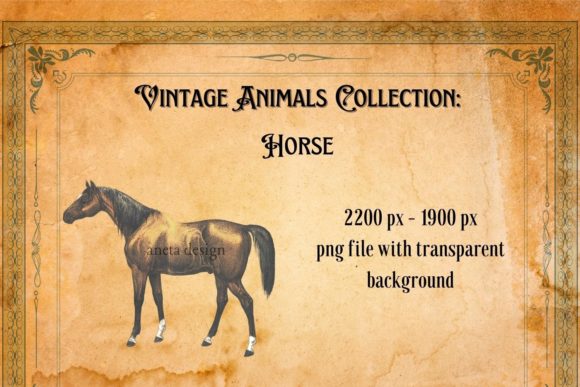
In the realm of digital design, where we are constantly inundated with sleek, modern vectors and 3D renders, there is a profound sense of nostalgia found in returning to the roots of print media. The Vintage Horse Illustration we are discussing today is not just a piece of clipart; it is a slice of history. Sourced directly from an old Polish children’s book, this asset carries the weight of traditional engraving styles and the warmth of a bygone educational era. For designers and content creators, this specific vintage horse illustration offers a distinct visual personality that modern software simply cannot replicate. It bridges the gap between historical authenticity and contemporary digital utility, making it a powerful tool for anyone looking to inject character into their projects.
The Visual Language of Nostalgia
Understanding the aesthetic of this vintage horse illustration is key to using it effectively. Unlike modern flat icons, this image likely possesses the intricate line work characteristic of woodcuts or lithography. The texture is organic, featuring cross-hatching and imperfect lines that give it a "hand-made" quality. This style evokes a sense of authenticity and craftsmanship. When you look at this illustration, you aren't just seeing a horse; you are seeing the artistic interpretation of a mid-century or early-century illustrator.
This visual weight makes it a fantastic counterpoint to modern typography. If you pair this vintage horse illustration with a clean, geometric sans serif font, the contrast creates immediate visual interest. The illustration grounds the design in reality and history, while the modern text keeps it relevant. It is a prime example of how design assets can dictate the tone of a project without saying a word. The "personality" of this asset is whimsical, educational, and distinctly European, offering a sophisticated alternative to generic stock imagery.
Practical Applications for Modern Creators
While the source material is a children’s book, the application potential for this vintage horse illustration spans a wide variety of industries. Its versatility lies in its high-resolution preparation (300dpi) and transparent background, which allows it to be dropped into almost any context seamlessly.
Here are several ways entrepreneurs, marketers, and crafters can leverage this asset:
- Branding and Logo Design: For brands in the equestrian space, organic food, or artisanal crafts, this illustration serves as an excellent foundation for a logo design. It suggests tradition, reliability, and nature. It works exceptionally well for boutique bakeries or farms looking for a brand identity that feels established and trustworthy.
- Packaging and Merchandise: As noted in the asset description, this is perfect for physical products. Imagine this horse on the label of a craft beer, a tote bag, or a ceramic mug. The vintage style translates beautifully to screen printing and DTG (Direct to Garment) printing, where distressed textures often look more appealing than solid blocks of color.
- Editorial and Publishing: Bloggers and publishers can use this illustration to break up long blocks of text. In editorial design, a relevant, high-quality image enhances reader engagement. It is particularly effective for articles discussing history, nature, or lifestyle topics.
- Digital and Web Design: In web design, this asset can be used as a decorative element in headers, footers, or "About Me" sections to add personality. It also shines in social media graphics, where unique imagery stops the scroll more effectively than generic stock photos.
Strategic Pairings and Typography
A vintage horse illustration of this nature demands careful typographic pairing to achieve professional results. Because the illustration has a lot of detail and texture, you generally want to avoid using a script font or a highly decorative handwritten font directly over it, as this can result in a cluttered, illegible mess.
Instead, consider these strategies for font pairing:
- The Modern Contrast: Pair the illustration with a bold, wide-set sans serif font. The clean geometry of the letters will highlight the intricate details of the horse drawing. This is ideal for modern typography layouts that want to mix eras.
- The Classic Serif: To lean into the heritage feel, use a classic serif font. Look for typefaces with high contrast between thick and thin strokes. This creates a cohesive look suitable for formal invitations or luxury branding.
- The Typewriter Style: For a more rustic, "found object" aesthetic, pair the horse with a monospaced typewriter font. This reinforces the educational, archival nature of the original book source.
When working with this creative font asset, remember that the illustration is the hero. Your typography should support it, not compete with it. Ensure there is plenty of white space (or negative space) around the illustration to let the details breathe.
Quality, Usability, and Licensing
One of the most common pitfalls in using vintage resources is quality. Many "old" images found online are low-resolution JPEGs with white backgrounds that are impossible to remove cleanly. This specific vintage horse illustration solves those problems. Being a 300dpi PNG with a transparent background, it is print-ready immediately. This is crucial for professional work where pixelation or jagged edges can ruin the perceived value of a product.
Furthermore, the asset comes with a clear path to usage. For small business owners, this removes the guesswork often associated with commercial font and image licensing. Whether you are creating a single t-shirt design or a run of packaging, the utility is built-in.
Finally, consider the value of the ecosystem. The creator, Aneta, offers a newsletter with weekly freebies. For designers and crafters, building a library of design assets is an ongoing process. Subscribing to sources that provide curated, high-quality vintage elements ensures you always have the right tool for the job when a project calls for that specific nostalgic touch. This vintage horse illustration is more than just a picture; it is a versatile component of a larger creative toolkit.