Vintage Blue Bird Illustration: A Timeless Design Asset
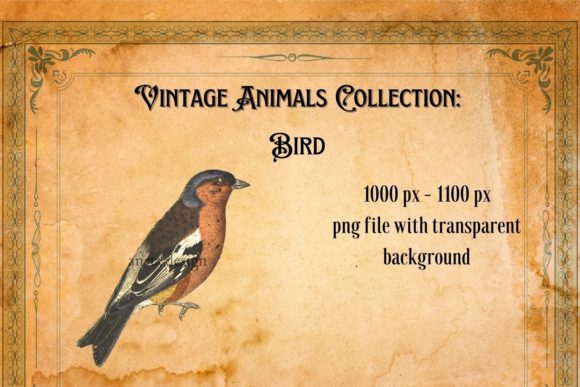
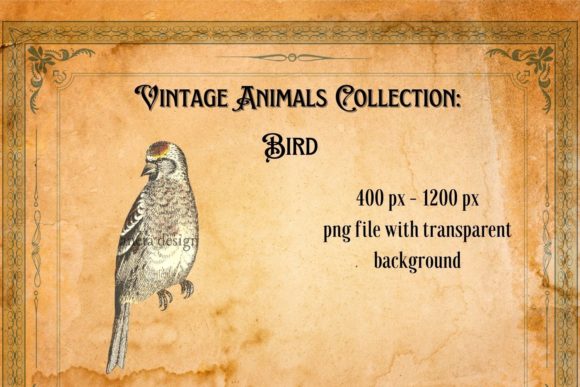
There's a certain charm in rediscovering art from the past, especially when it carries the innocence and detailed craftsmanship of old-world children's books. The Vintage Blue Bird Illustration is exactly that—a piece of history repurposed for modern creators. This isn't just another generic clipart file; it's a carefully prepared design asset extracted from a vintage Polish children's book, offering a unique blend of nostalgia and utility. Its appeal lies in its authentic, hand-drawn quality and the story it carries, making it far more compelling than a sterile, digitally generated graphic.
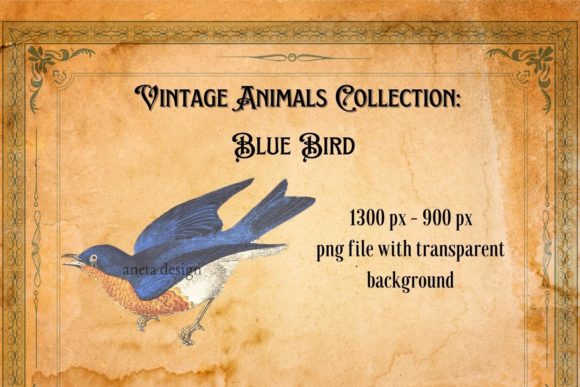
Visually, this illustration embodies the classic "vintage" aesthetic. You can expect to see intricate linework, subtle texturing, and a color palette that feels aged yet vibrant. The bird itself likely possesses a distinct personality—perhaps slightly whimsical or earnestly detailed—common in mid-20th-century illustration styles. This character makes it a standout element, capable of adding instant warmth and a narrative quality to any project. It's a creative font in visual form, offering the same kind of personality and historical weight that a great serif font or handwritten font brings to typography.
Where This Illustration Truly Shines
The true value of an asset like the Vintage Blue Bird Illustration is in its versatility. Its clean, transparent PNG format at 300dpi makes it print-ready for a multitude of applications. For brand identity and logo design, it can serve as a powerful symbol for businesses in the eco-friendly, artisanal, educational, or publishing spaces. Imagine it on a boutique tea label, the masthead of a nature blog, or the logo for a children's bookstore. It communicates authenticity, care, and a connection to tradition without saying a word.
Beyond logos, it's perfect for packaging design where a handcrafted feel is paramount. Use it on gift tags, box art, or product stickers. In editorial design, it can elevate a magazine layout, chapter heading, or book cover, especially within genres like historical fiction, poetry, or children's literature. For web design and social media graphics, it breaks through the visual noise of flat, minimalist trends, offering a memorable focal point for banners, featured images, or profile accents. Crafters and hobbyists will find it ideal for physical products—the description mentions mugs and t-shirts, but it's equally suited for tote bags, stationery, greeting cards, and embroidery patterns.
Practical Guidance for Using Your Blue Bird
Working with a detailed illustration like this requires some practical consideration. First, evaluate the project fit. Its vintage style pairs best with font pairings that complement, not compete. A sturdy serif font for body text or a clean sans serif font for headings can provide excellent balance. Avoid overly ornate script fonts that might clash with the illustration's own intricate details. The goal is visual harmony, where the illustration and typography support each other to create a cohesive visual hierarchy.
Readability considerations are key. While the illustration is a display element, ensure any accompanying text remains legible. Use the bird as a standalone icon, a border element, or integrated into a layout where it doesn't obscure critical information. Its high-resolution, premium quality means it will scale well for both digital screens and high-quality print, maintaining its crispness and detail.
Finally, always respect the source. While this asset is prepared for broad use, understanding its origin enriches its application. It's a piece of modern typography history, a link to a specific artistic tradition. By incorporating the Vintage Blue Bird Illustration thoughtfully, you're not just adding a picture; you're weaving a story into your work, one that resonates with a sense of timeless care and beauty. This is how a simple design asset can elevate a project from good to genuinely memorable, fostering deeper audience engagement and brand perception.